
Nourish and Flourish: Growing More Than Food
The dry landscape of Kajiado and Kibwezi tells its own story. In communities where rainfall can be unpredictable and growing food is challenging; families must find ways to make limited resources stretch further. For parents and caregivers of children with cerebral palsy and other neurodevelopmental conditions, these pressures come alongside the everyday realities of providing the care and support their children need.
Yet, walking into the homes of families participating in Nourish and Flourish, another story begins to emerge.
There are vegetables growing in vertical bags beside homes. There are parents talking confidently about feeding and positioning their children. There are groups of caregivers who started by learning together and are now finding their own ways to stay connected and support one another.
Most importantly, there are parents telling us, in their own words, what has changed.
Nourish and Flourish is a 12-month pilot project implemented by Motivation Africa in Kajiado and Kibwezi counties, Kenya, in partnership with AIC Kajiado Child Care Centre and Kibwezi Disabled Persons Organisation (KDPO), with technical support from Real IPM and an Agricultural consultant.
The project recognises something central to Motivation Africa’s approach: supporting a child with a disability also means equipping the people around that child with the knowledge, skills and resources they need.
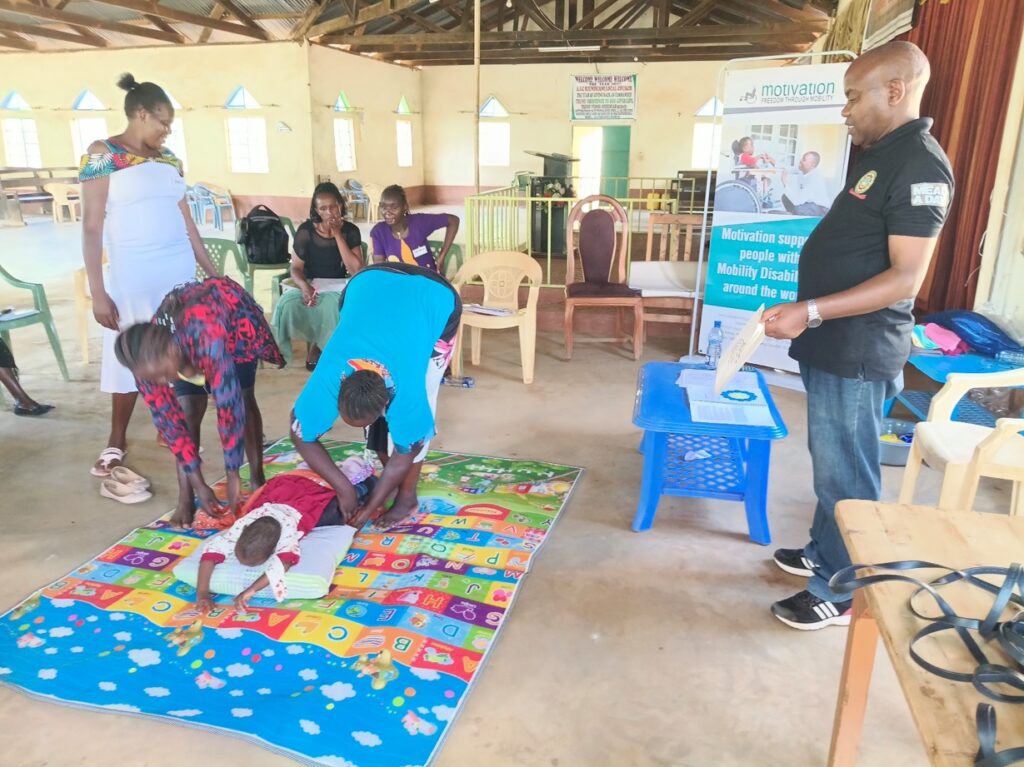
At the heart of Nourish and Flourish is Parent Carer Training (PCT). The approach began by building knowledge within the communities themselves. A group of parents and caregivers were first trained as community facilitators, using the Ubuntu Parent Carer Training approach. The facilitators then took that knowledge back to their communities, where they trained and supported other parents and caregivers.
By the end of the pilot, 21 community facilitators had supported the training of 152 parents and caregivers across Kajiado and Kibwezi.
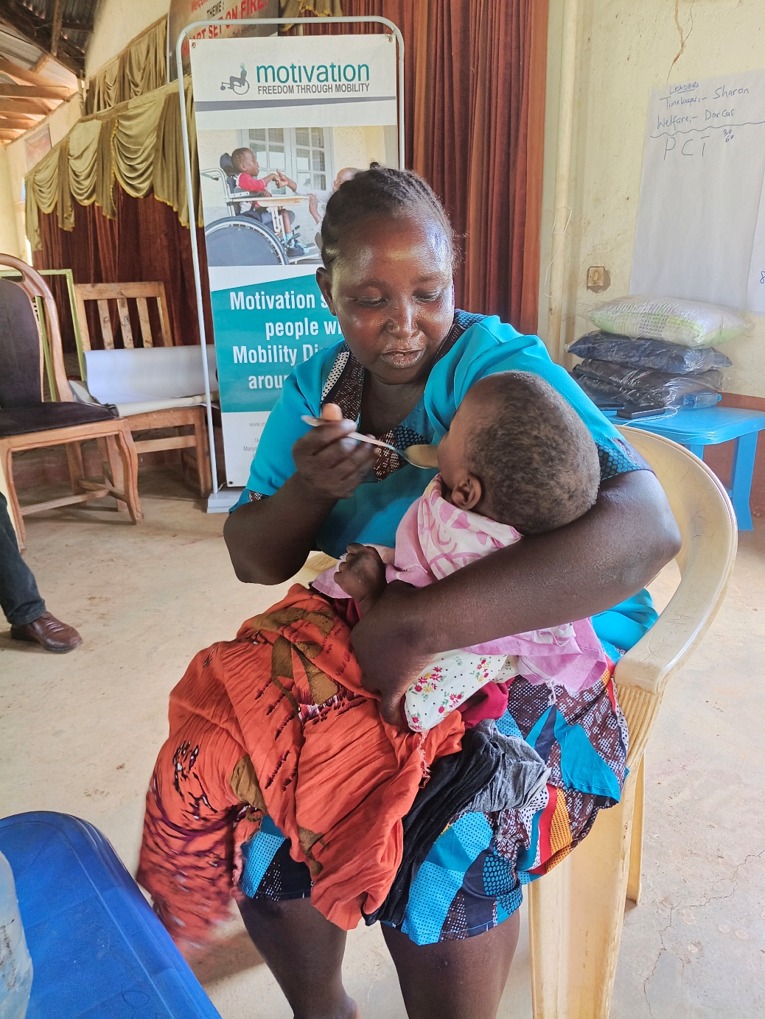
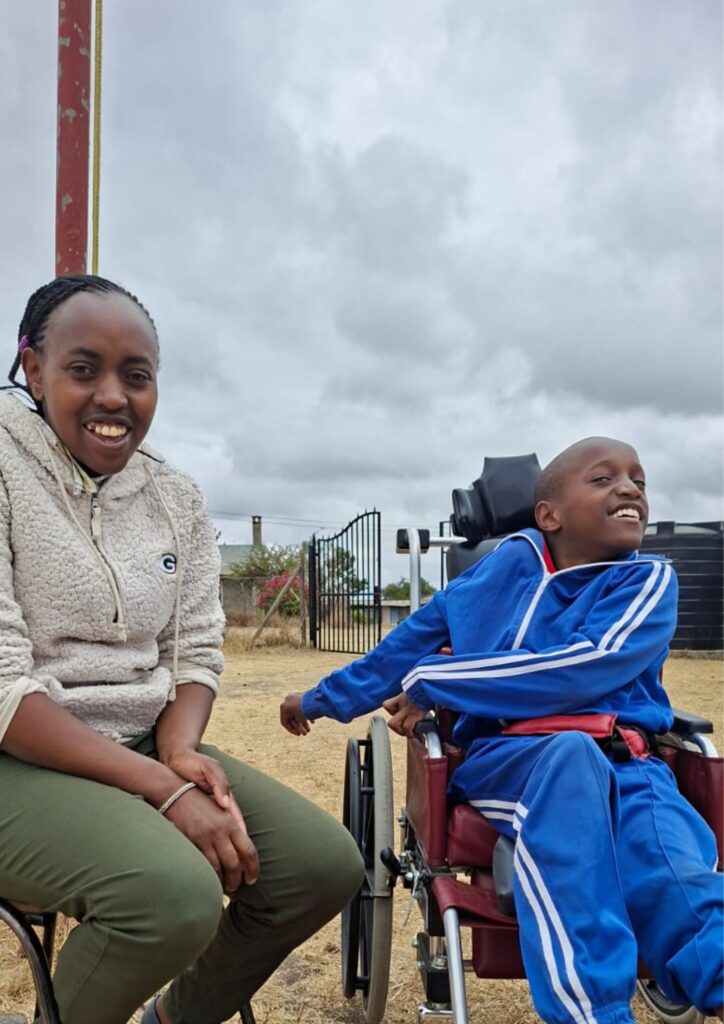
For parents like Phoebecus, mum to 14-year-old Alfred, who has cerebral palsy, that training answered questions she had carried for years.
“For years, it has been really frustrating trying to feed my son yet not being sure if I am hurting him. I would sit him in his wheelchair but not know how best to support his head. Nourish and Flourish gave me the answers I have been seeking for years.”
Today, Phoebecus talks about feeding Alfred, positioning him, sitting and playing with him with greater confidence.
“I can now comfortably feed him, sit him and play with him, and it feels amazing.”
These might sound like simple, everyday activities. But for a parent who has spent years wondering whether they are doing the right thing for their child, having practical knowledge can make an enormous difference.
Care was only one part of the challenge Nourish and Flourish sought to address. Good nutrition is particularly important for children with disabilities, yet for households already experiencing food insecurity, consistently accessing a varied diet can be difficult.
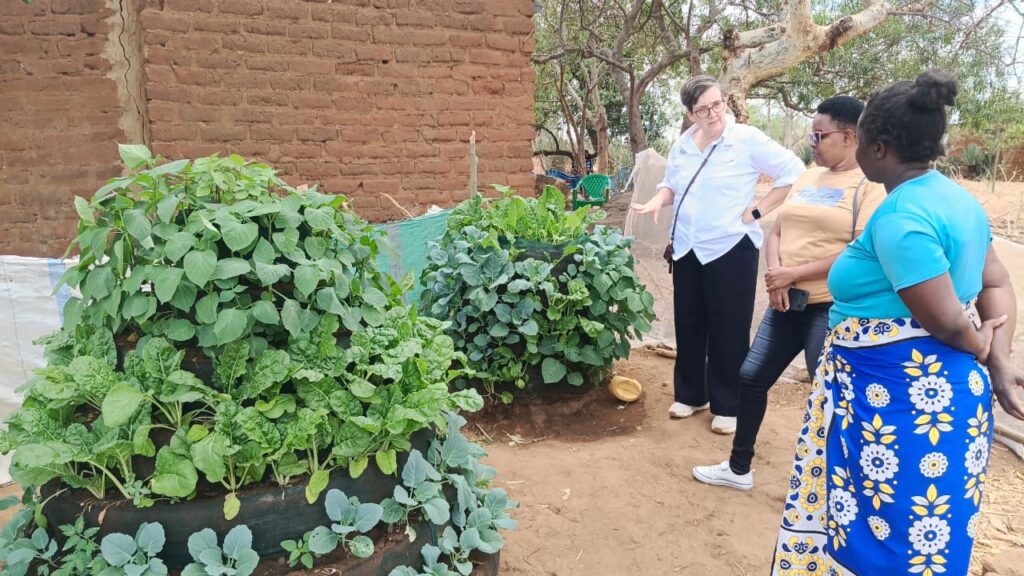
Nourish and Flourish therefore brought nutrition education together with a practical solution: vertical bag farming.
With support from an agricultural consultant, the community facilitators were first equipped with practical skills to establish and maintain the gardens. They learnt how to prepare and fill the vertical bags, select suitable vegetables, water and weed the gardens, and use organic manure to support healthy production. This knowledge was then shared with participating parents and caregivers, helping families understand not only what to grow, but how to keep their gardens productive over time.
Across Kajiado and Kibwezi, all 173 participating parents, caregivers and community facilitators received two vertical bags each, amounting to 346 bags, together with seedlings to help them get started. Families planted vegetables including kale, spinach and traditional leafy greens close to their homes.
The vertical gardens were particularly suited to the local context. A single bag can accommodate approximately 150 to 200 plants, requires around five litres of water a day, and the bag itself can be used for up to ten years when properly maintained. In areas where water is limited and conventional farming can be challenging; this offers families a practical way of producing vegetables within a relatively small space and with limited water.
During our visits, the significance of those bags became particularly clear.
For Phoebecus, vegetables from her garden have become part of the meals she prepares for Alfred. Just as importantly, growing vegetables at home has removed a regular expense from her household budget.
“I no longer spend money on vegetables, and this is great.”
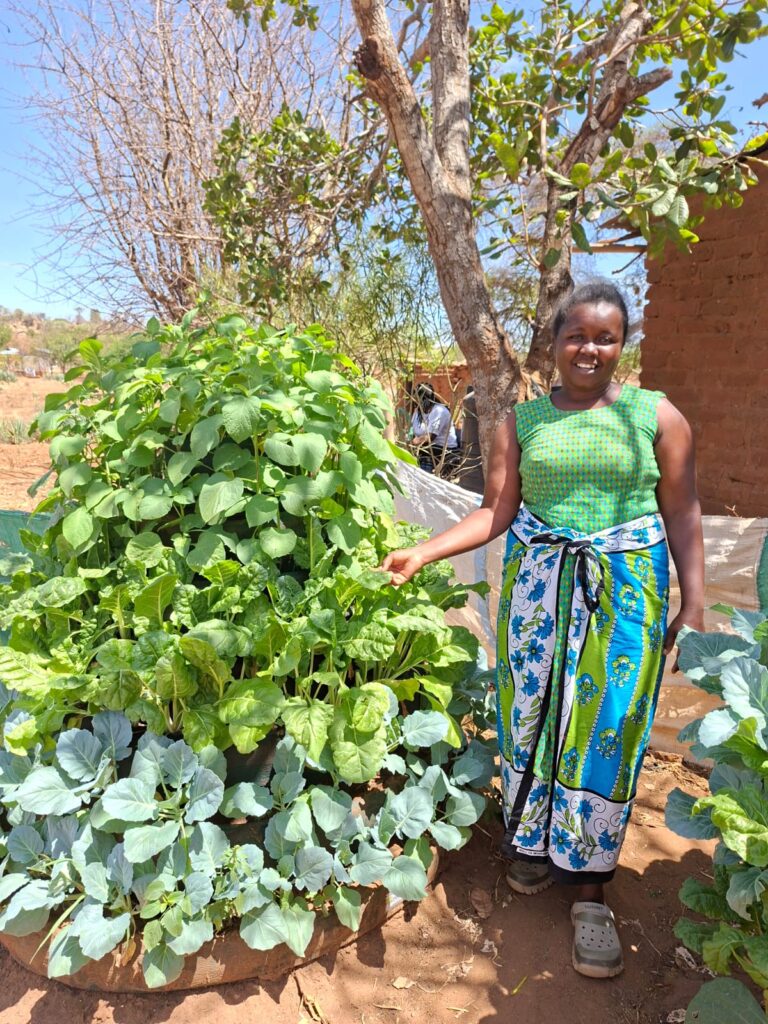
For Jane Irungu, the garden is doing even more. Jane uses the vegetables to provide more varied meals for her family, and when the garden produces a surplus, she sells some of the vegetables to neighbours. The additional income helps her purchase supplies for her son Joseph.
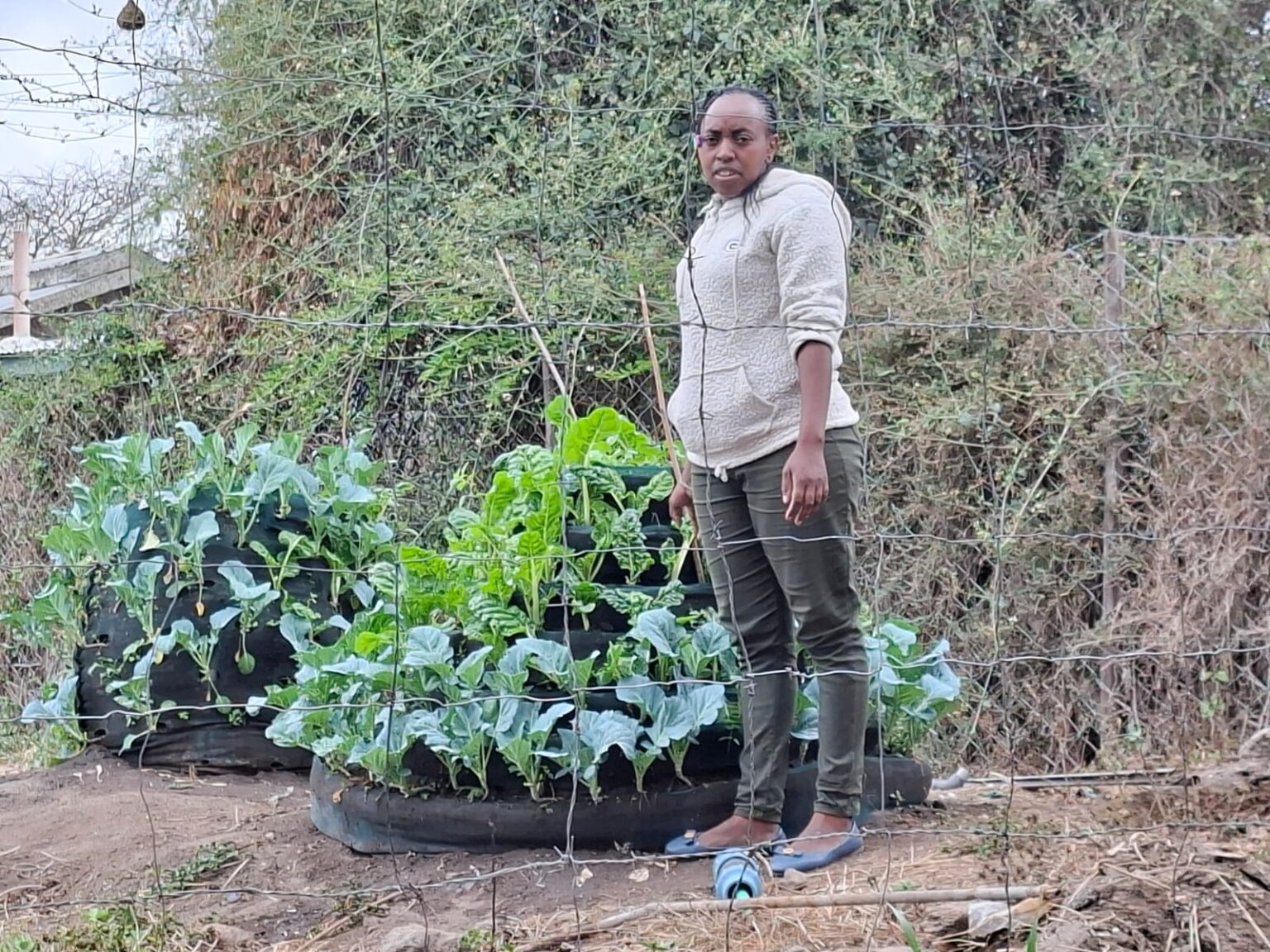
And the impact is beginning to spread beyond the families directly participating in Nourish and Flourish. Neighbours have seen the vertical gardens in participating households and have begun adopting the idea themselves, extending an approach introduced through the project into the wider community.
This ripple effect is particularly encouraging. Motivation Africa’s role was not simply to provide families with bags and seedlings, but to build the practical knowledge needed to use and sustain them. As households continue growing, harvesting, saving on food costs and, in some cases, selling surplus produce, the benefits of the vertical gardens have the potential to continue well beyond the life of the pilot.
The project also introduced dairy goat rearing as another pathway towards better nutrition and more resilient livelihoods.
Following training in dairy goat management, 16 dairy goats were distributed to selected groups in Kajiado and Kibwezi. The model is designed to reach further than the original recipients. As the goats multiply, offspring can be passed on, allowing other families within the groups to benefit over time.
For Motivation Africa, this connection between caregiving and livelihoods is important.
Many caregivers devote significant time to supporting children with disabilities. An intervention that improves knowledge about feeding or positioning is valuable, but families also need practical ways of strengthening their food security and resilience.
Nourish and Flourish therefore brought these different pieces together: care, nutrition, food production, livelihoods and peer support.
Perhaps one of the most encouraging changes has been what happened when parents began supporting other parents.
Faith Sonto understands the demands of raising children with cerebral palsy from personal experience. Two of Faith’s eight children have cerebral palsy, and the Parent Carer Training gave her practical knowledge that she could use within her own family.
But her journey did not stop there.
As a trained community facilitator, Faith began sharing that knowledge with other parents.
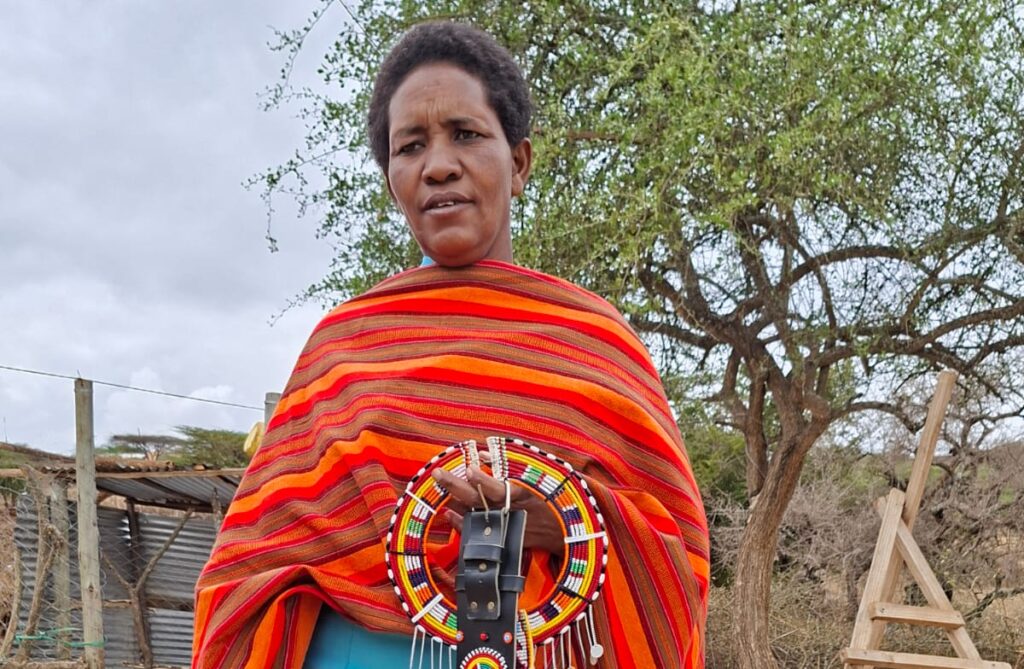
The same sense of responsibility to others is evident in Erick Sitoya’s story.
Erick is a father of five whose eldest child has cerebral palsy. His own journey to understanding his child’s disability eventually led the family to AIC Kajiado Child Care Centre, where he learnt more about therapy and the support available.
Through Nourish and Flourish, Erick became a community facilitator, using what he has learnt through his own experience and training to encourage other parents.
And the connections created through the parent groups have started taking on a life of their own.
Some parents have formed Village Savings and Loan Associations (VSLAs) and merry-go-round groups, helping them stay connected beyond the training sessions while creating avenues for mutual support and saving.
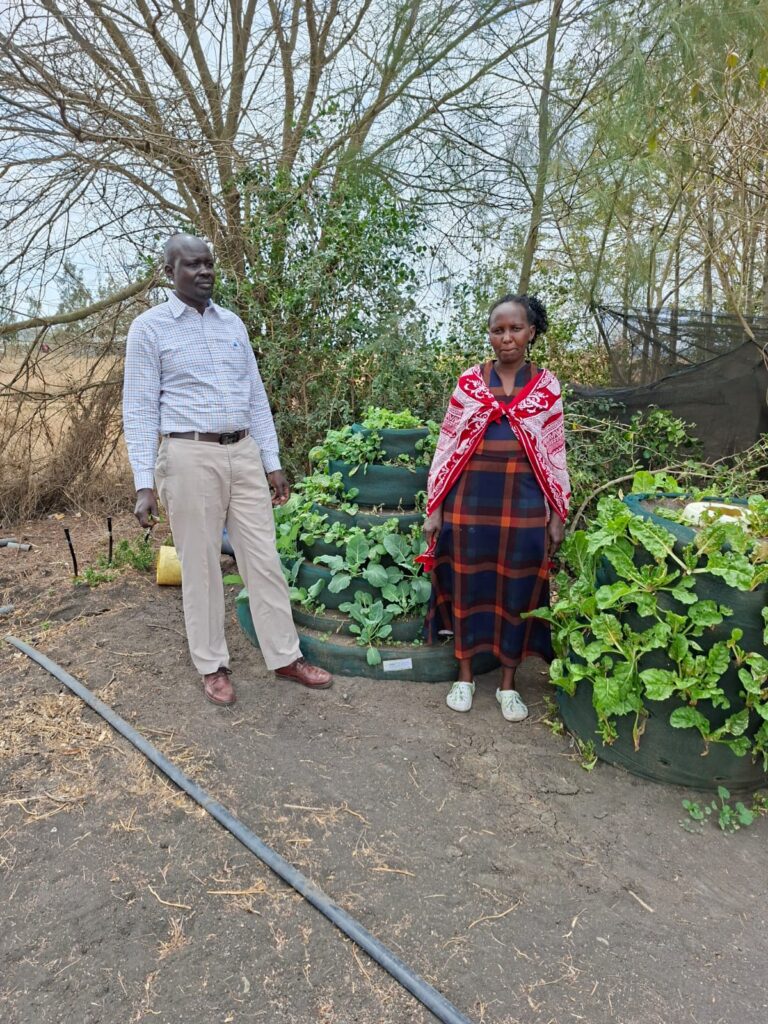
For Erick, the next step is to take what they have learnt even further.
“We have formed Village Savings and Loan Groups with other parents, and we plan to do more, to advocate for the hidden children, to reach more people in the community and to share what we have learnt. The project has taught us so much, and it’s only right that we reach others as well.”
Nourish and Flourish has also worked to strengthen links between families, community organisations and services.
Children with cerebral palsy were assessed to identify assistive technology needs, with appropriate intermediate products identified for subsequent provision. Alongside this, engagement with local stakeholders and community structures has helped strengthen pathways through which families can access information, services and support.
As this pilot comes to an end, the question is not simply what happened during the 12 months of implementation. It is what continues afterwards.
There are encouraging signs.
The knowledge gained through Parent Carer Training remains with parents. The skills developed by the 21 community facilitators remain within Kajiado and Kibwezi. Vegetables continue to grow in household gardens. The dairy goats have the potential to multiply and reach other families. Parent groups are continuing relationships that began through the project. And local partners remain rooted in the communities where these families live.
The lasting impact of Nourish and Flourish may therefore lie not only in what was delivered, but in what families are now able to continue for themselves and share with others.
Walking through a dry landscape and then stepping into a homestead where vegetables are growing, a caregiver speaks confidently about supporting their child, and parents are planning how they will help other families, puts the project’s name into perspective.
They are not simply growing food. They are growing knowledge, confidence, connection and possibility.