
Our Impact
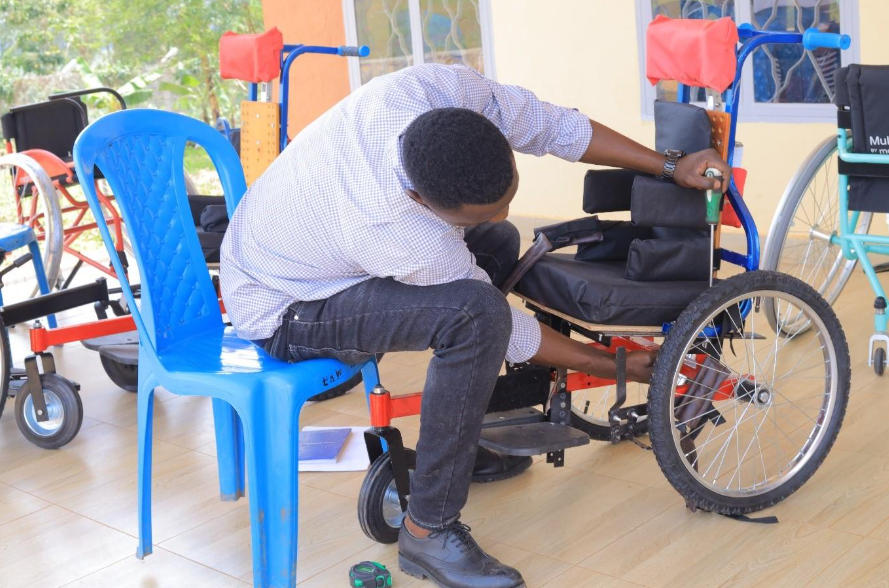
Change might come about through changing attitudes or day-to-day actions. It may be by supporting practical steps towards a world that is designed for everyone. It may be through the design and provision of assistive technology (AT), such as wheelchairs.
Overall, that means in the last four years alone: Motivation Africa has impacted the lives of
disabled people and
family, community, clinicians and decision makers.
KEY MILESTONES
During our last strategic period (2021–2024) this has included catalysing:
Better quality of life
212 skilled and experienced wheelchair users were trained and became a network of Peer Mentors, supporting and training their peers
1,173 parents and caregivers trained, building their skills and confidence in helping their disabled children to eat, drink, move, communicate and play, and be more included in their families and communities
1,472 disabled people and caregivers built peer support groups, Village Saving and Loan groups and livelihood financial support, building their confidence, knowledge and improving their household income
300 disabled women shared experiences and learnt more about their rights and health.
More access to AT
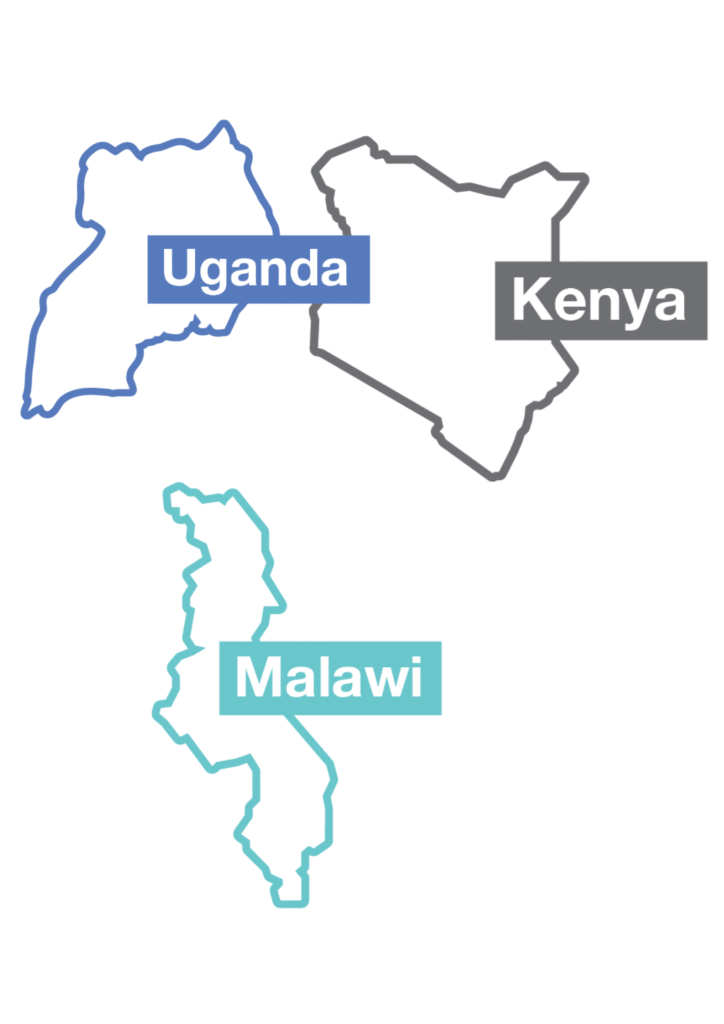
25,639 wheelchairs sold to customers in 25 countries, with many distributed via projects or humanitarian and other charitable organisations
4,170 disabled people individually assessed, prescribed and fitted with wheelchairs and offered mobility and life skills training via our wheelchair service partners
1,144 caregivers and family members learnt about wheelchair skills and maintenance, to better their support wheelchair users with their new, appropriate wheelchair
231 sports chairs were made available to players at inclusive sports clubs
791 disabled children and adults took part in sports and games, gaining all the health and mental wellbeing benefits that brings
Stronger wheelchair services
812 physiotherapists, technicians, occupational therapists and community-based rehabilitation workers added to their wheelchair provision skills and knowledge. The training is now embedded in the university curriculum, so students will graduate from university with a knowledge of disability rights and wheelchair provision for years to come.
Stronger community support
517 staff from civil society, non-governmental and governmental organisations increased their understanding of assistive technologies such as wheelchairs
880 people took part in a community awareness days, experiencing and learning about disability and inclusion