
Mary Nungari Muchiri was in her fourth year of medical studies at the University of Nairobi when a road traffic accident changed the course of her life. The injury left her with paraplegia, abruptly interrupting her education and reshaping her daily reality.
What followed was not only a medical journey, but a prolonged struggle with access, dignity, and inclusion.
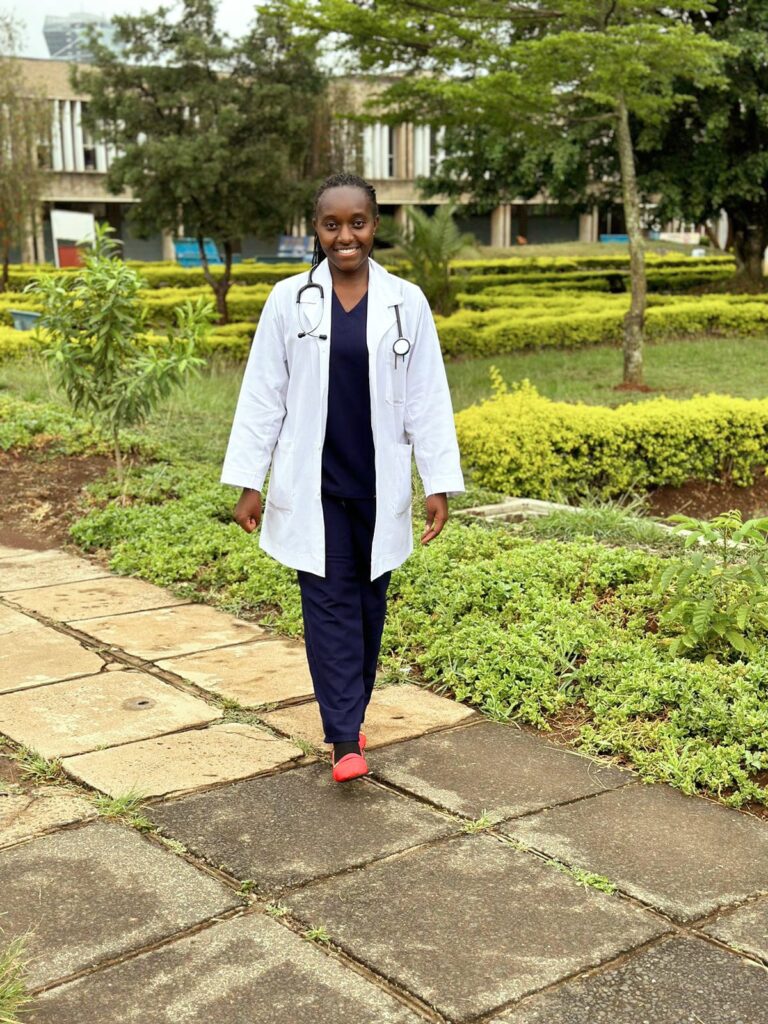
Returning to campus after rehabilitation revealed significant barriers. Lecture halls, administrative offices, and the library were largely located on upper floors without accessible alternatives. Essential facilities, including washrooms, were not adapted for wheelchair users.
Mary recalls repeated experiences of exclusion that felt deeply dehumanising and isolating.
“I would sit there and wait, at the bottom of the stairs. I was still a student, but in those moments I didn’t feel like I belonged there anymore. It was like I existed outside the spaces I was supposed to be part of.”
Rather than getting the support and equipment she was entitled to, Mary had to rely on her own skill and determination to continue her medical training and find treatment options.
Seeking Treatment and Facing Setbacks
Mary initially sought medical care within Kenya before pursuing international consultations. Her case attracted interest from medical specialists in the United States, Germany, and India.
However, her journey was marked by ongoing challenges, including twice being denied a medical visa, despite meeting all requirements and receiving strong institutional support from the University.
This experience offered Mary a renewed understanding of her condition, rehabilitation potential, and long-term possibilities for independence.
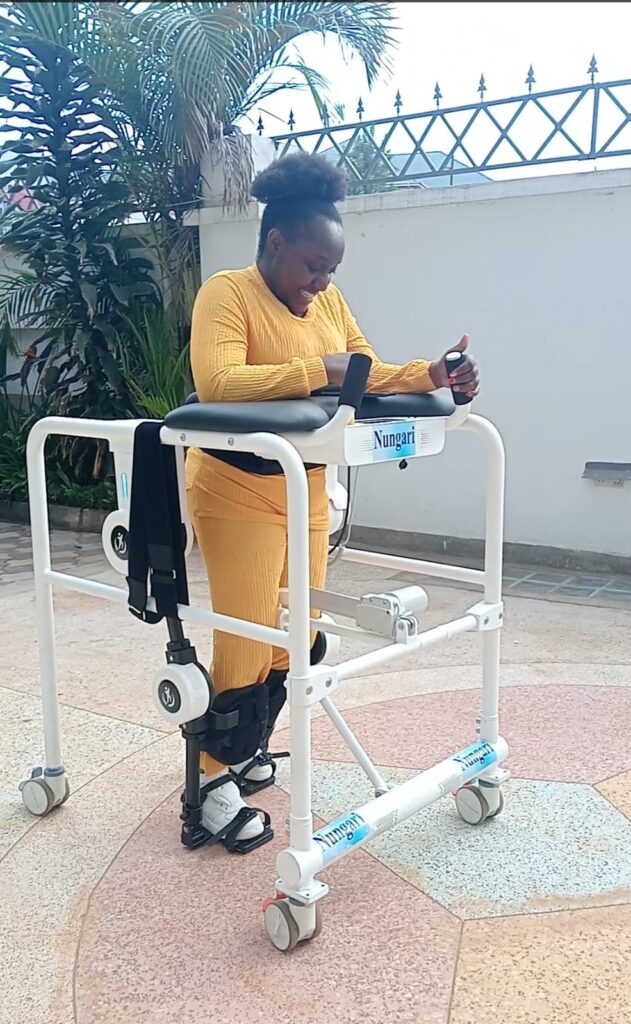
Ultimately, she was able to travel to India and participate in advanced rehabilitation services, including assistive technologies such as an exoskeleton that enabled her to take supported steps for the first time since the accident.
A Turning Point: Peer Training and Community Support
When she got back to Kenya, Mary faced the ongoing work of rebuilding her life within an environment and systems that remained largely inaccessible.
A significant turning point came when she was invited to participate in a peer training programme facilitated through Motivation Africa. Family members travelled with her to offer emotional and physical support, but once the training started it would be time for them to leave.
“I kept thinking, how will I manage without my parents around me? Even the thought of them leaving made me nervous. I wasn’t just going for training—I felt like I was being left on my own in a world I was still trying to understand.”
When her family had left, the uncertainty settled in fully. The first hours felt heavy, marked by fear, doubt, and quiet emotional withdrawal.
But when she got to the training space, something unexpected happened. Mary joined a group of wheelchair users with experiences similar to her own. For the first time since her injury, she found herself in an environment where she was neither isolated nor misunderstood.
“I entered into that room and just stopped. I saw people like me—moving, talking, living. And in that moment, I wasn’t alone anymore. Something in me just… relaxed.”
Learning, Sharing, and Rebuilding Confidence
The peer training programme offered structured learning alongside powerful peer-led discussions on spinal cord injury (SCI), mobility, and life after disability. But beyond the sessions themselves, it was the honesty in the room that stood out.
Participants spoke openly about their journeys—how life changed after injury, the emotional weight of adjustment, and the daily realities of rebuilding independence. There was no distance between “trainer” and “participant”—just lives being shared and experiences being heard and understood.
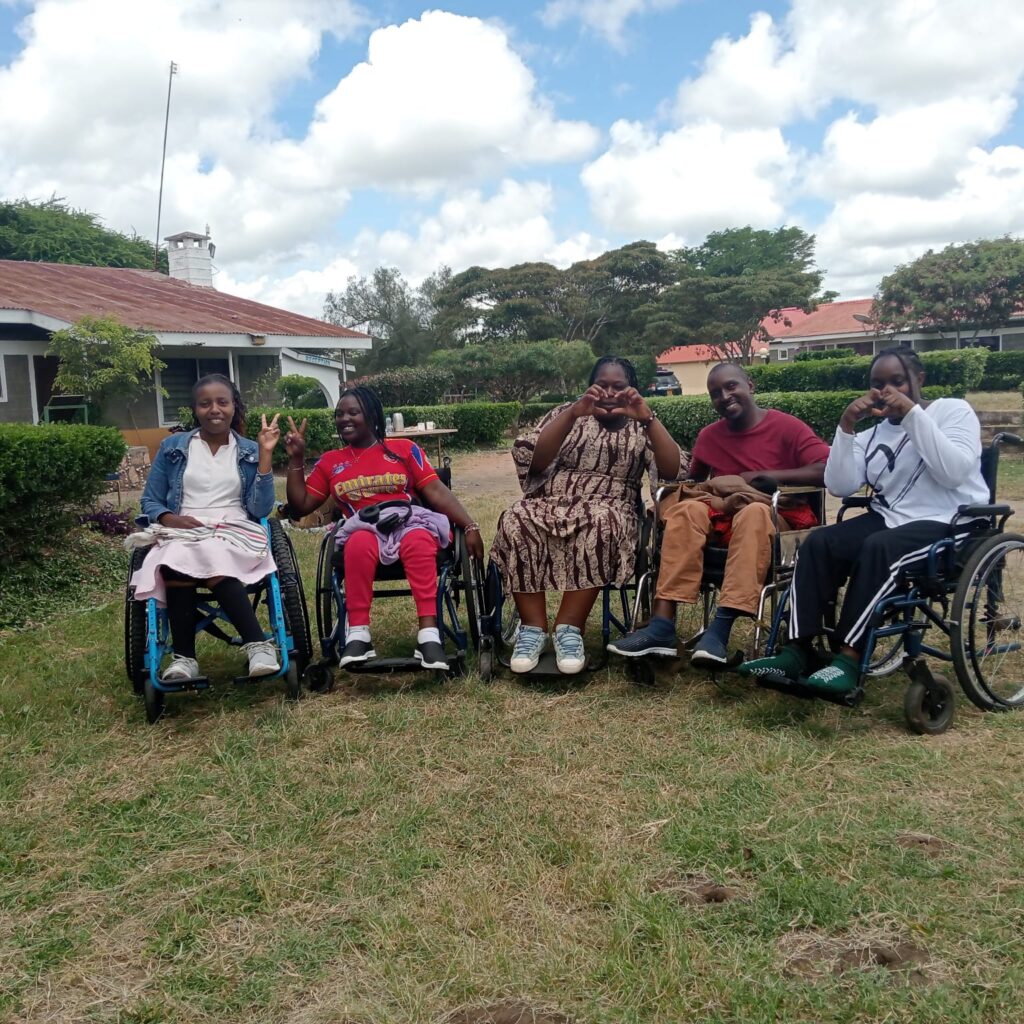
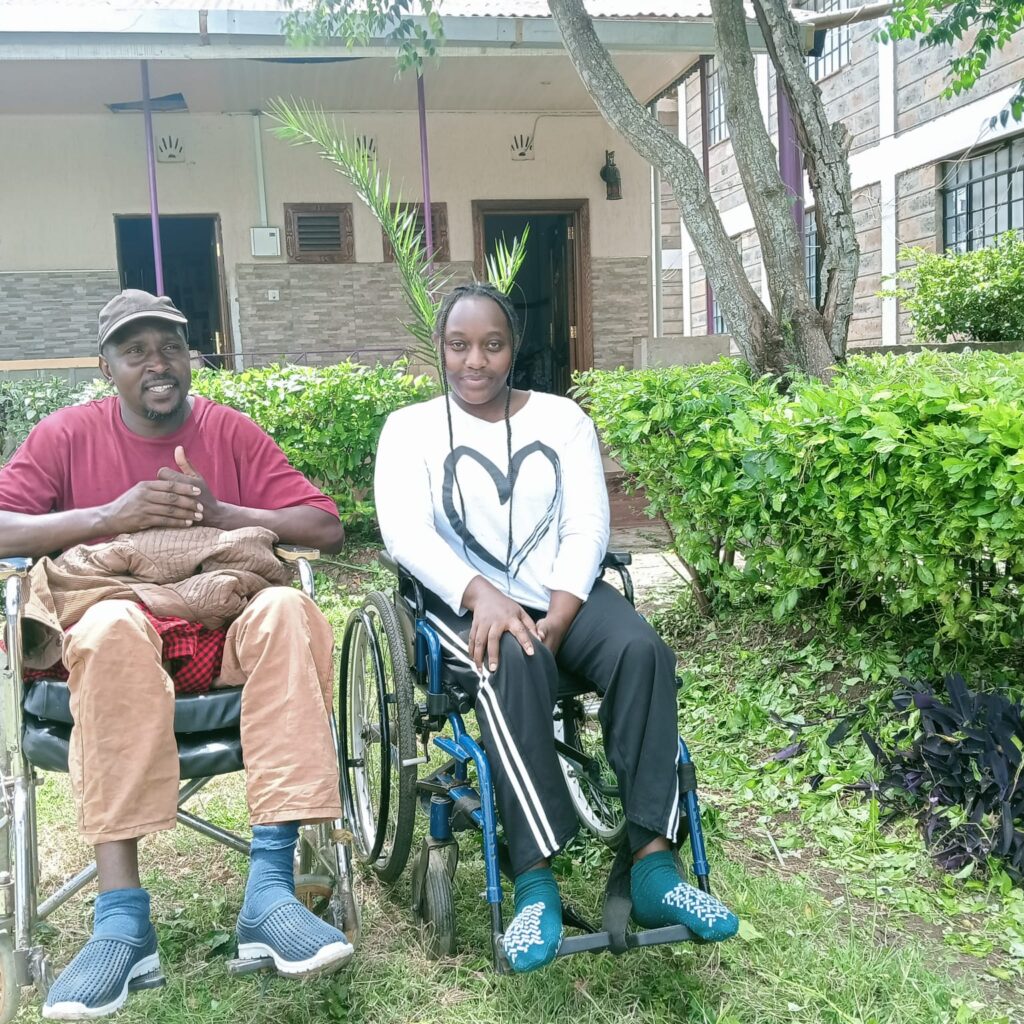
In sessions, the group worked through topics like bladder and bowel management, pressure injury prevention, and practical self-care. What made these sessions impactful was not only the expert guidance, but the way peers connected it to real life—turning medical information into lived survival knowledge.
Mary recalls that this was the first time information about her condition felt usable, not distant or clinical.
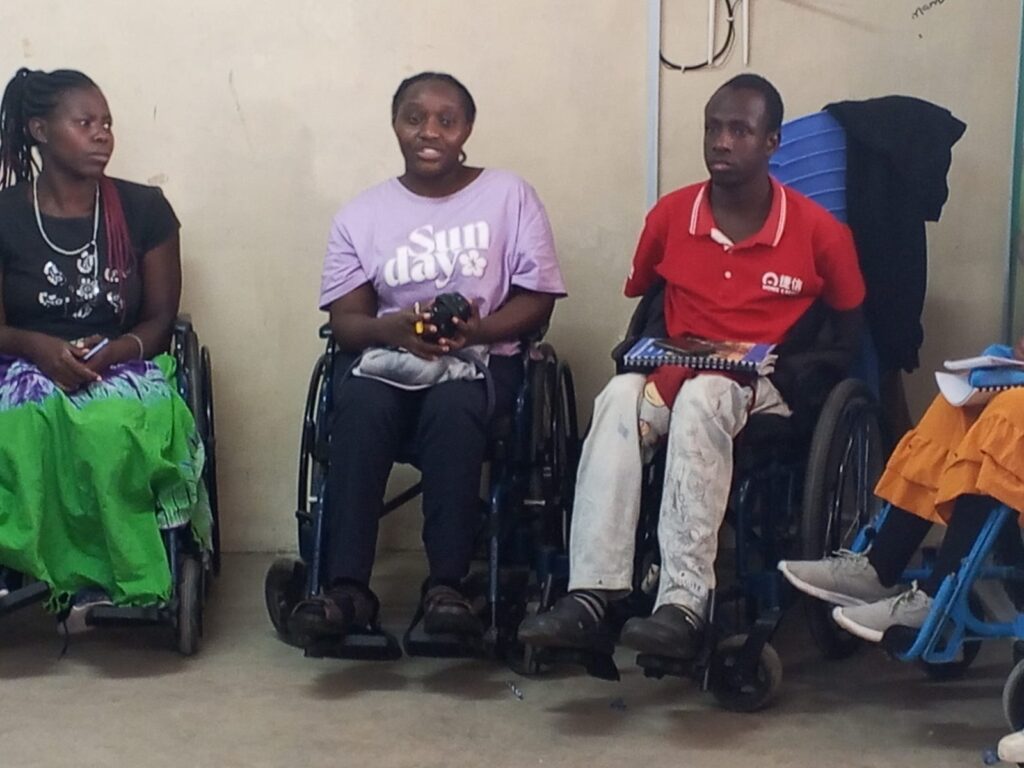
“It wasn’t just theory. People were explaining things from experience—what had happened to them, what they learned the hard way. That made me pay attention differently. It felt real.”
Slowly, something began to shift.
At first, she listened quietly, still observing more than speaking. But over time, she began to contribute to conversations—small at first, then more confidently—rebuilding not only knowledge, but trust in her own voice.
Mary describes this period as a turning point in how she understood herself.
In that peer environment, she found a way to reframe disability—not as limitation, but as a lived experience that requires knowledge, support systems, and community to navigate with dignity and confidence.
Reintegration, Independence, and Daily Life
Following the training, Mary continued regaining confidence in her mobility and independence. She now navigates her environment more independently, including travelling to town unassisted and accessing personal services such as visiting the salon independently.
These milestones, while personal, reflect broader outcomes of peer support and rehabilitation—particularly the role of community-based learning in strengthening independence and self-determination.
Mary also highlights the importance of identifying and advocating for accessible spaces within her environment, noting that inclusion remains uneven but possible where systems are responsive.
Participation in National Disability Dialogue
Mary was later invited to participate in the National Disability Dialogue Conference in May 2026. The conference brought together stakeholders across disability inclusion, policy, and advocacy spaces.
During the policy-to-implementation panel discussions, she engaged directly on issues affecting persons with disabilities in higher education and public service access.
Her key questions focused on:
- The role of Organisations of Persons with Disabilities (OPDs) in advocacy and accountability
- The responsibility of Parliament in ensuring inclusive policy implementation
- The prioritisation of accessibility needs in higher education institutions
Mary’s participation and advocacy work reflects a growing shift from tokenistic ‘beneficiary’ engagement to active civic participation and policy dialogue.
Following the conference, discussions were initiated around supporting her petition for improved accessibility within her university to enable her to return to studies.
Looking Ahead
Mary continues to hold her aspiration of completing her medical degree and becoming a medical doctor.
Her journey reflects both the persistent barriers faced by persons with disabilities in higher education and the transformative role of peer support systems in restoring confidence, independence, and agency.
Through peer training and community-based rehabilitation, Mary found not only practical skills for daily living, but also a renewed sense of belonging and purpose.
Her story underscores a central truth: inclusion is not achieved through infrastructure alone, but through systems that recognise rights, dignity, lived experience, and the power of peer-led support.
Conclusion
Mary’s journey illustrates the intersection of health, education, and disability inclusion. It highlights the importance of inclusive environments, international and local rehabilitation pathways, and the critical role of peer training in rebuilding lives after disability.
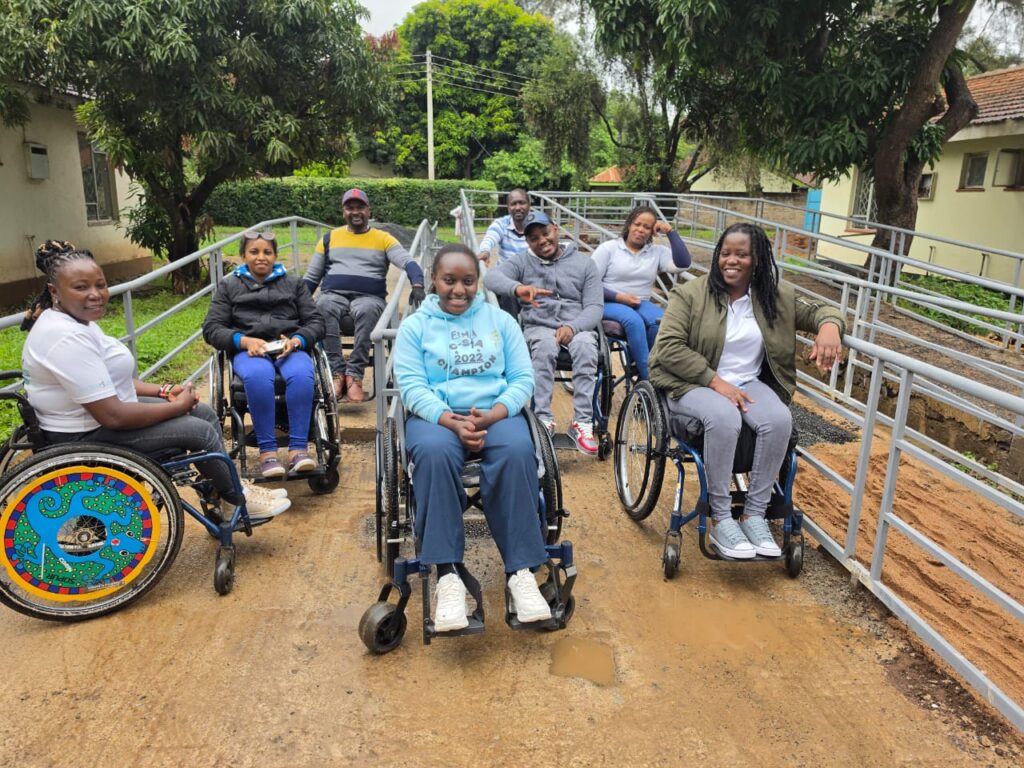
At its core, her story is one of resilience—but more importantly, it is a reminder that with the right support systems, persons with disabilities can reclaim agency, participate meaningfully in society, and continue pursuing their aspirations.