Person-centred Care, Wheelchair Services, Phase 2
Country: Kenya
Project duration: 36 months from October 2025
Funders: Caretech Foundation, LDSC and Meal-a-Day UK
Implementing partners: Jomo Kenyatta University of Agriculture and Technology (JKUAT), AIC Kajiado Childcare Centre, AIC Litein Mission Hospital, Network of Peer Trainers.
Focus
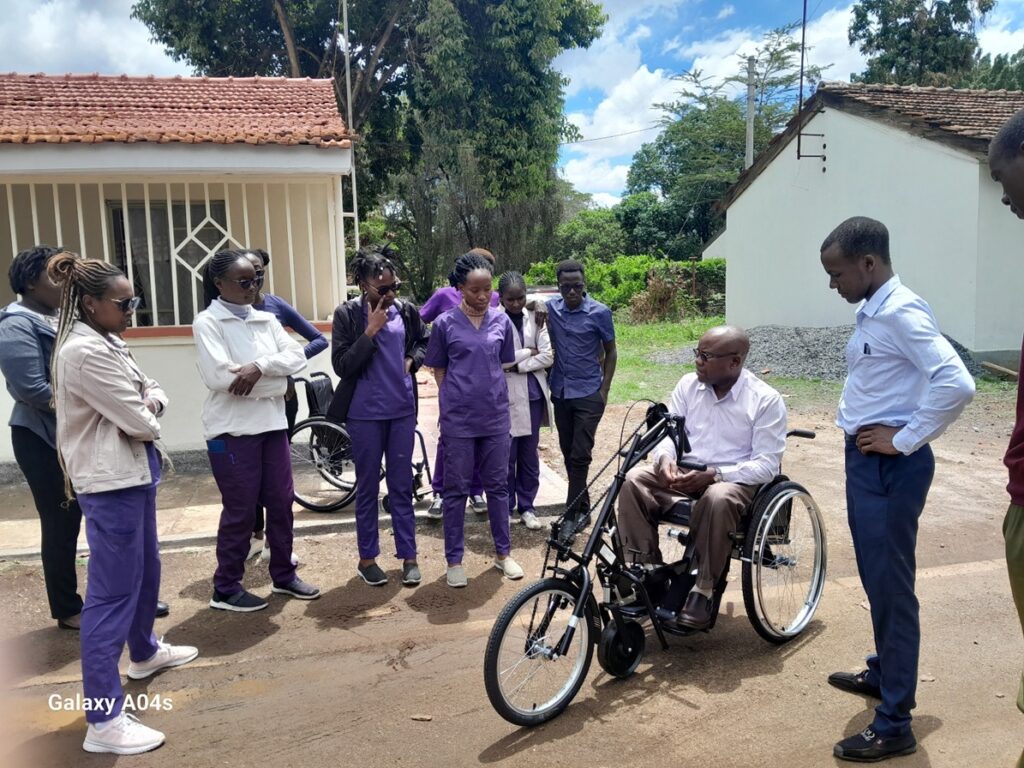
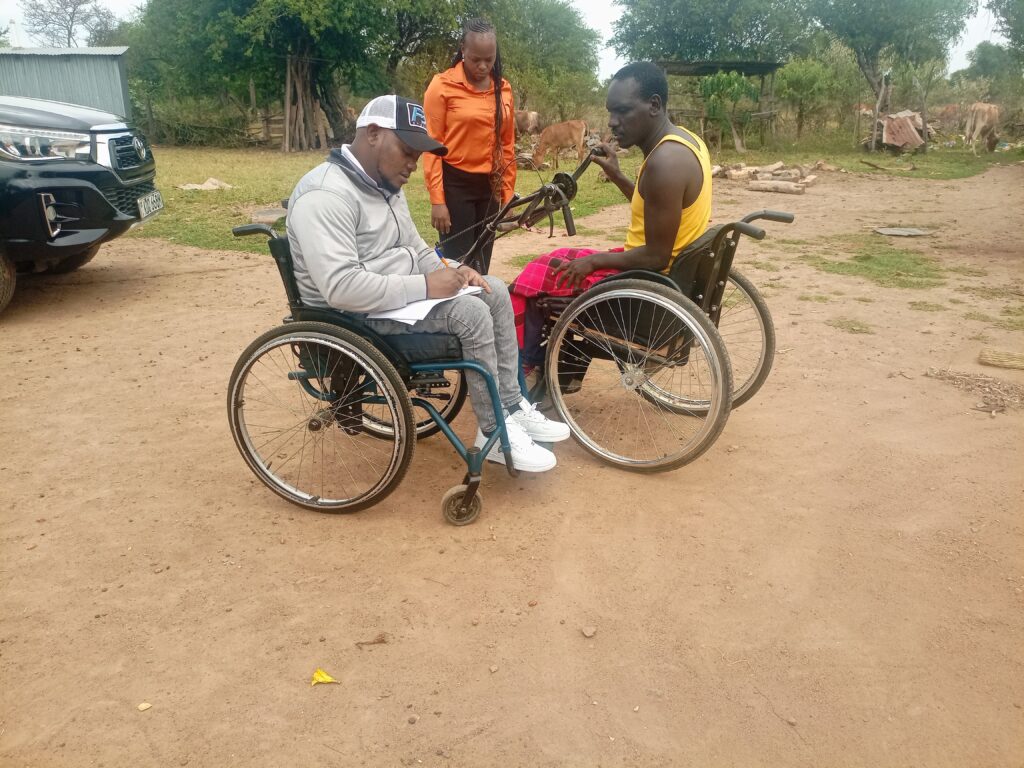
The project aims to strengthen connections between wheelchair services and communities while creating a sustainable platform for wheelchair repair and maintenance. Through improved service delivery, workforce development, and community engagement, the project will enhance mobility, independence, and quality of life for people with mobility disabilities.
Over the project period:
- 700 people with mobility disabilities will experience improved quality of life and have access to information to support informed choices.
- Over 400 care professionals will gain new skills, contributing to improved standards of care.
Summary
The first phase of this project which ended in January 2025, reached 679 wheelchair users through the generous support from Caretech Foundation, LDSC and Meal-a-Day. However, a significant unmet demand remains as evidenced by the waiting list of adults and children assessed. Phase Two responds to this unmet demand while shifting focus toward long-term systems strengthening, sustainability, and scale. The interventions focus on the following
- Continued provision of appropriate wheelchairs through centre-based and outreach clinics.
- Full integration of wheelchair service training into university curricula, expanding into the College of Health Sciences (COHES) at JKUAT. This will address gaps in training for medical social workers and county-level rehabilitation teams, strengthening identification, referral, and assessment systems.
- Expansion of peer support approaches for new wheelchair users to reinforce person-centred care and promote mobility and independence.
- Empowerment of parents and caregivers to support a family-centred approach to wheelchair use and participation.
- Establishment of sustainable repair and maintenance systems by piloting training integration within Vocational Rehabilitation Centres under the Ministry of Labour and Social Protection.
- Strengthened collaboration with government and key stakeholders, including the Ministry of Health, Ministry of Labour and Social Protection, and the National Council for Persons with Disabilities (NCPWD).
- Introduction of the model in Tanzania, in partnership with Muhimbili University of Health and Allied Sciences (Dar es Salaam) and Kilimanjaro Christian Medical University College (Moshi).
Through these interventions, the project will raise standards of care by strengthening technical and clinical infrastructure, expanding a skilled and competent workforce, and embedding sustainable, person-centred wheelchair services within health, education, and social protection systems.